Science of Reading

Have you heard the saying ‘The only thing that’s constant is change.’?  When it comes to methods used when teaching children to read, that old adage may have met finally met its match! Techniques for teaching children to read have certainly come and gone…and come and gone again. That could be because none have been quite as powerful as the Science of Reading! You see, over the last 40ish years, there have been thousands of studies around teaching and learning to read…in countries and languages all around the world. Over time, evidence from those studies has been gathered and shared in an effort for us to really understand the very best ways to teach and learn to read. The highly regarded NWEA website describes it this way: “The ‘Science of Reading’ is the converging evidence of what matters and what works in literacy instruction, organized around models that describe how and why.” With the Science of Reading in place, students get research-backed methods of instruction that help them master this vital skill of reading. Most importantly, these methods work well with all types of students.
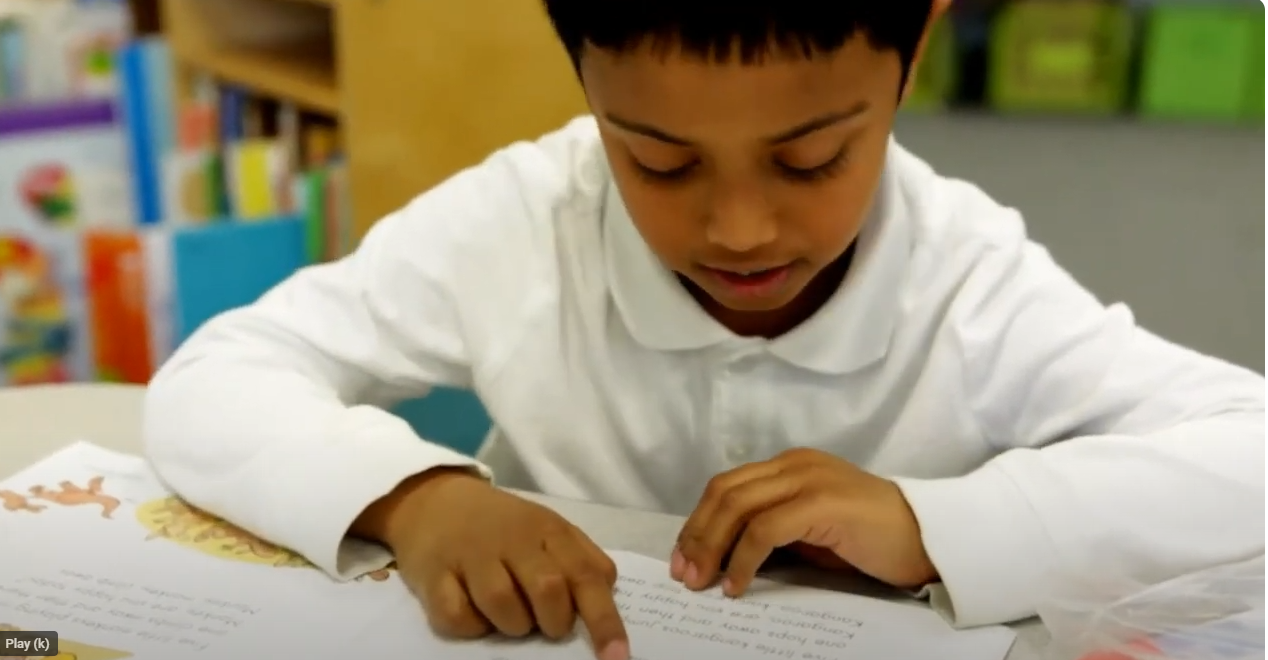
A young boy in a white shirt is reading a book

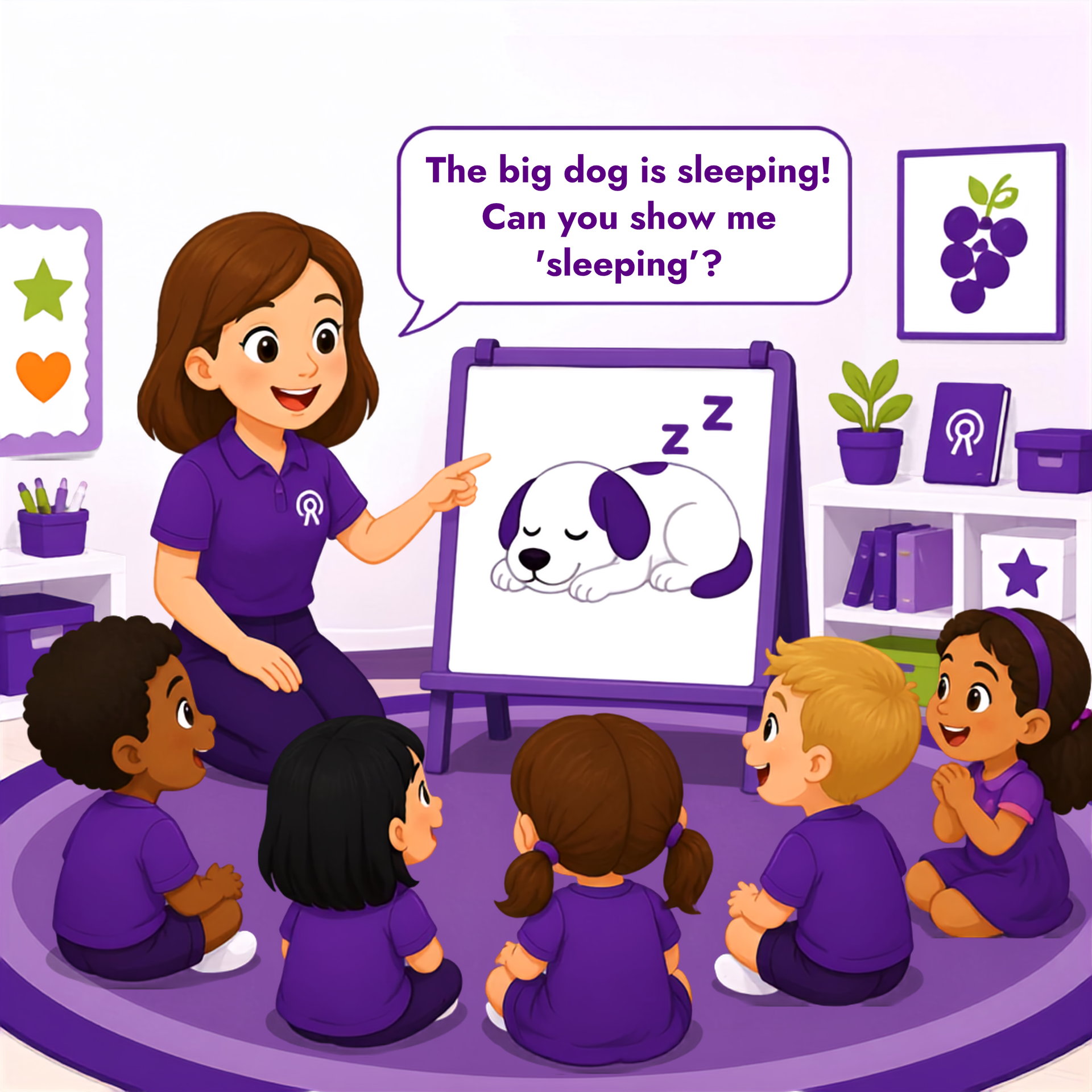
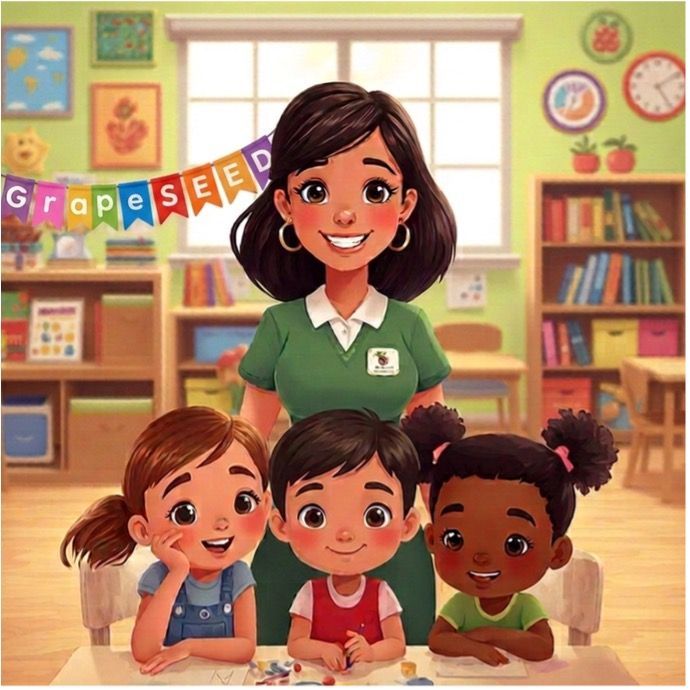
When it comes to students acquiring English oral language for the first time, be they multilingual learners or developing preschoolers, the joy-filled, engaging, systematic and success-oriented GrapeSEED curriculum embraces and encompasses each facet of Science of Reading.

GrapeSEED supports oral language proficiency by offering explicit instruction in phonemic awareness, systematic phonics instruction, and strategies to improve fluency in both speaking and reading beginning right away. Let’s take a closer look:

List of Services

Plain and simple, Science of Reading works. And designed with students in mind, GrapeSEED’s engaging & joyful songs, stories, chants, poems, big books, action activities, and writers work too, by providing the firm foundation for literacy instruction to be built upon. It’s not too late to begin supporting your English Language Learners with teacher-led GrapeSEED instruction. Ready to get started? Click here!
August 17, 2026
The first few weeks of school have always mattered, but this year they may be more important than ever!
#BackToSchool2026 #ClassroomCommunity #StudentBelonging #SEL #DifferentiatedInstruction #StudentEnga
August 3, 2026
The first few weeks of school have always mattered, but this year they may be more important than ever!
May 25, 2026
Kindergarten is a big step in a child’s learning journey. It’s a time of exciting growth, discovery, and new routines. For families and educators of PreK and Young 5s children—including multilingual learners—preparing for this transition can help set the stage for a confident and joyful start to school. What Does “Kindergarten Ready” Mean? Kindergarten readiness is more than knowing letters and numbers. It includes a wide range of skills that help children feel safe, connected, and capable in a classroom environment. These skills include: Social & Emotional Skills : Can your child follow directions, express emotions, take turns, and ask for help? Language & Communication : Are they comfortable speaking and listening, even in their home language? Early Literacy & Math : Can they recognize some letters, numbers, and perhaps write their name? Motor Skills : Can they hold a pencil, use scissors, and manage clothing zippers or buttons? Supporting Multilingual Learners Children who speak more than one language bring unique strengths to the classroom! Here’s how we can support them: Honor Their Home Language : Encourage families to keep speaking and reading in their home language. A strong foundation in one language supports learning in English. Build Vocabulary : Use real-life experiences—grocery shopping, playing at the park, cooking—to teach and repeat new words in both languages. Create a Welcoming Environment : Use visuals, gestures, and routines that help all children understand and participate.  Simple Ways to Prepare at Home Read Daily : Share books in any language. Talk about the pictures and ask questions. Practice Routines : Try morning and bedtime routines similar to what they’ll experience in kindergarten. Talk Often : Describe what you’re doing, ask open-ended questions, and give your child time to respond. Play Together : Board games, pretend play, puzzles, and outdoor play build thinking and social skills. A Partnership Between Home and School Kindergarten readiness is a team effort. When teachers and families work together—especially in support of multilingual learners—children gain the confidence to thrive. Each child develops at their own pace, and readiness is not about perfection, but progress. Let’s celebrate every small step on the path to kindergarten! At GrapeSEED, we’re all about supporting children as they develop and prepare for their own next steps in their education journeys. Learn more about us by clicking here and consider getting started today!
May 4, 2026
For teachers of multilingual learners, one of the most powerful tools for teaching English is something you already use every day: your body! Movement and physicality can unlock understanding and make language memorable for learners. One highly effective approach is Total Physical Response (TPR) , a method developed by Dr. James Asher that connects language with physical actions. What is Total Physical Response (TPR)? TPR is a teaching method where teachers give commands in English and students respond with physical actions. For example, when you say, "Stand up" or "Open the book," learners act it out. This approach mirrors how children learn their first language—through listening and doing before speaking. Discover how using movement and physical actions can make English come alive for multilingual learners. This short guide shows you how Total Physical Response (TPR) builds confidence, comprehension, and classroom energy—without needing any extra materials Why Use TPR? Supports comprehension : Physical actions give students visual and kinesthetic clues to understand meaning. Reduces stress : There’s no pressure to speak right away. Learners can participate by simply listening and moving. Builds memory : The body helps the brain remember. Actions anchor vocabulary and structures in long-term memory. Engages learners : Movement keeps energy high and focuses attention, especially with younger students or those new to English. Discover how using movement and physical actions can make English come alive for multilingual learners. This short guide shows you how Total Physical Response (TPR) builds confidence, comprehension, and classroom energy—without needing any extra materials. How to Use TPR in the Classroom Start simple : Begin with everyday commands—sit down, stand up, raise your hand, touch your nose. Demonstrate each one clearly. Repeat and vary : Use repetition but change the order or speed to keep it fun. Add new vocabulary : Introduce verbs, classroom objects, or actions related to topics—run, jump, draw, point to the window. Involve students : Let them give commands once they’re ready. This encourages speaking without pressure. Use it across subjects : Combine TPR with songs, stories, or content lessons like science and math to support language across the curriculum. Movement is not just a break from learning—it is learning. When student teachers use TPR and physicality in English instruction, they make language come alive. Whether you're teaching young learners or newcomers of any age, using your body to teach builds confidence, comprehension, and connection. So next time you plan a lesson, don’t just say it— show it, move it, and live it . GrapeSEED’s Daily Lesson Plans each include movement called “Action Activities”. Learn more about these Action Activities, our other components, and how to get started with GrapeSEED in your classroom !
Show More