

For teachers of multilingual learners, one of the most powerful tools for teaching English is something you already use every day: your body! Movement and physicality can unlock understanding and make language memorable for learners. One highly effective approach is Total Physical Response (TPR), a method developed by Dr. James Asher that connects language with physical actions.
What is Total Physical Response (TPR)?
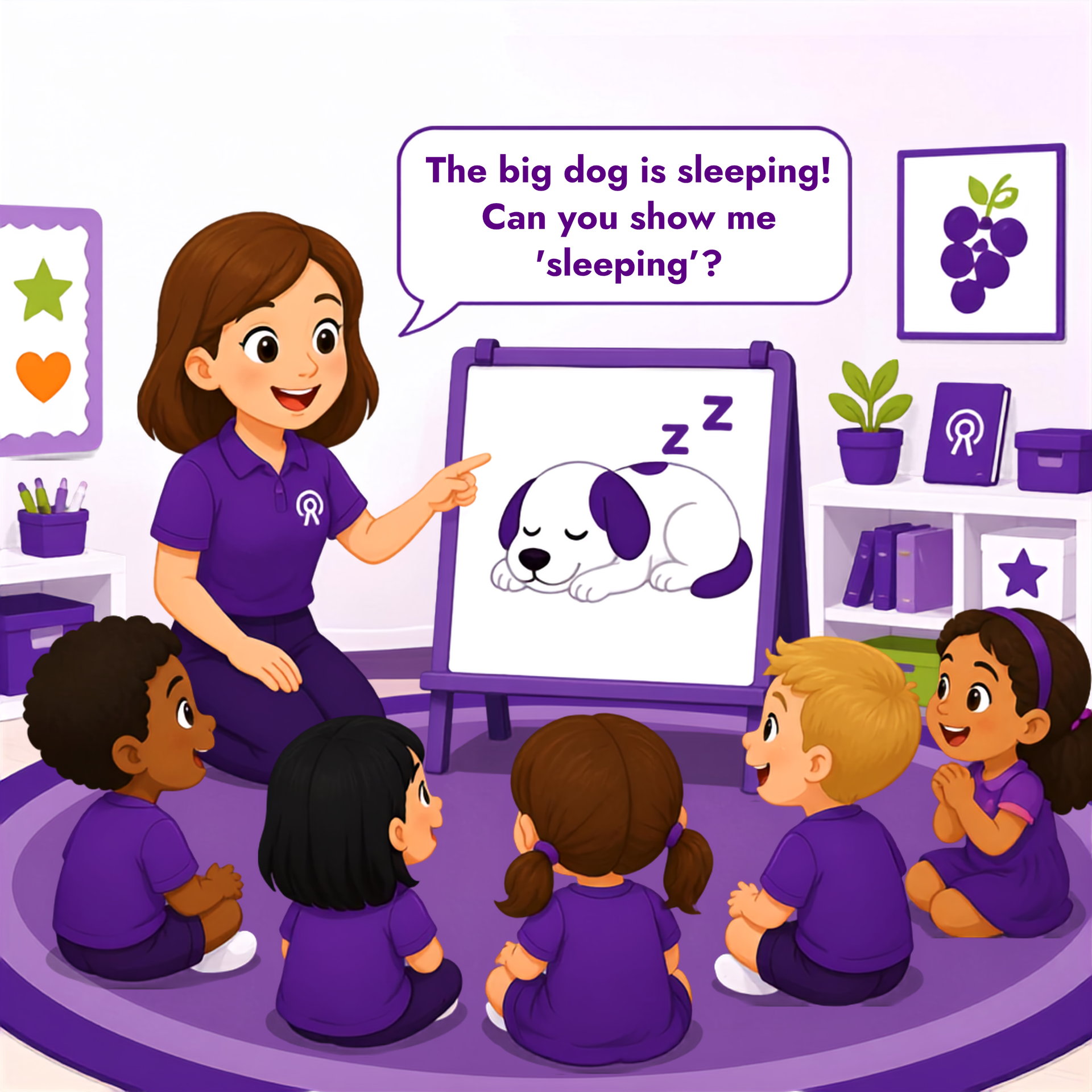
TPR is a teaching method where teachers give commands in English and students respond with physical actions. For example, when you say, "Stand up" or "Open the book," learners act it out. This approach mirrors how children learn their first language—through listening and doing before speaking. Discover how using movement and physical actions can make English come alive for multilingual learners. This short guide shows you how Total Physical Response (TPR) builds confidence, comprehension, and classroom energy—without needing any extra materials
Why Use TPR?
- Supports comprehension: Physical actions give students visual and kinesthetic clues to understand meaning.
- Reduces stress: There’s no pressure to speak right away. Learners can participate by simply listening and moving.
- Builds memory: The body helps the brain remember. Actions anchor vocabulary and structures in long-term memory.
- Engages learners: Movement keeps energy high and focuses attention, especially with younger students or those new to English. Discover how using movement and physical actions can make English come alive for multilingual learners. This short guide shows you how Total Physical Response (TPR) builds confidence, comprehension, and classroom energy—without needing any extra materials.
How to Use TPR in the Classroom
- Start simple: Begin with everyday commands—sit down, stand up, raise your hand, touch your nose. Demonstrate each one clearly.
- Repeat and vary: Use repetition but change the order or speed to keep it fun.
- Add new vocabulary: Introduce verbs, classroom objects, or actions related to topics—run, jump, draw, point to the window.
- Involve students: Let them give commands once they’re ready. This encourages speaking without pressure.
- Use it across subjects: Combine TPR with songs, stories, or content lessons like science and math to support language across the curriculum.
Movement is not just a break from learning—it is learning. When student teachers use TPR and physicality in English instruction, they make language come alive. Whether you're teaching young learners or newcomers of any age, using your body to teach builds confidence, comprehension, and connection. So next time you plan a lesson, don’t just say it—show it, move it, and live it.
GrapeSEED’s Daily Lesson Plans each include movement called “Action Activities”. Learn more about these Action Activities, our other components, and how to get started with GrapeSEED in your classroom!